
Home & Outdoor
Forestry Mulching vs. Traditional Lot Clearing: What Homeowners Need to Know
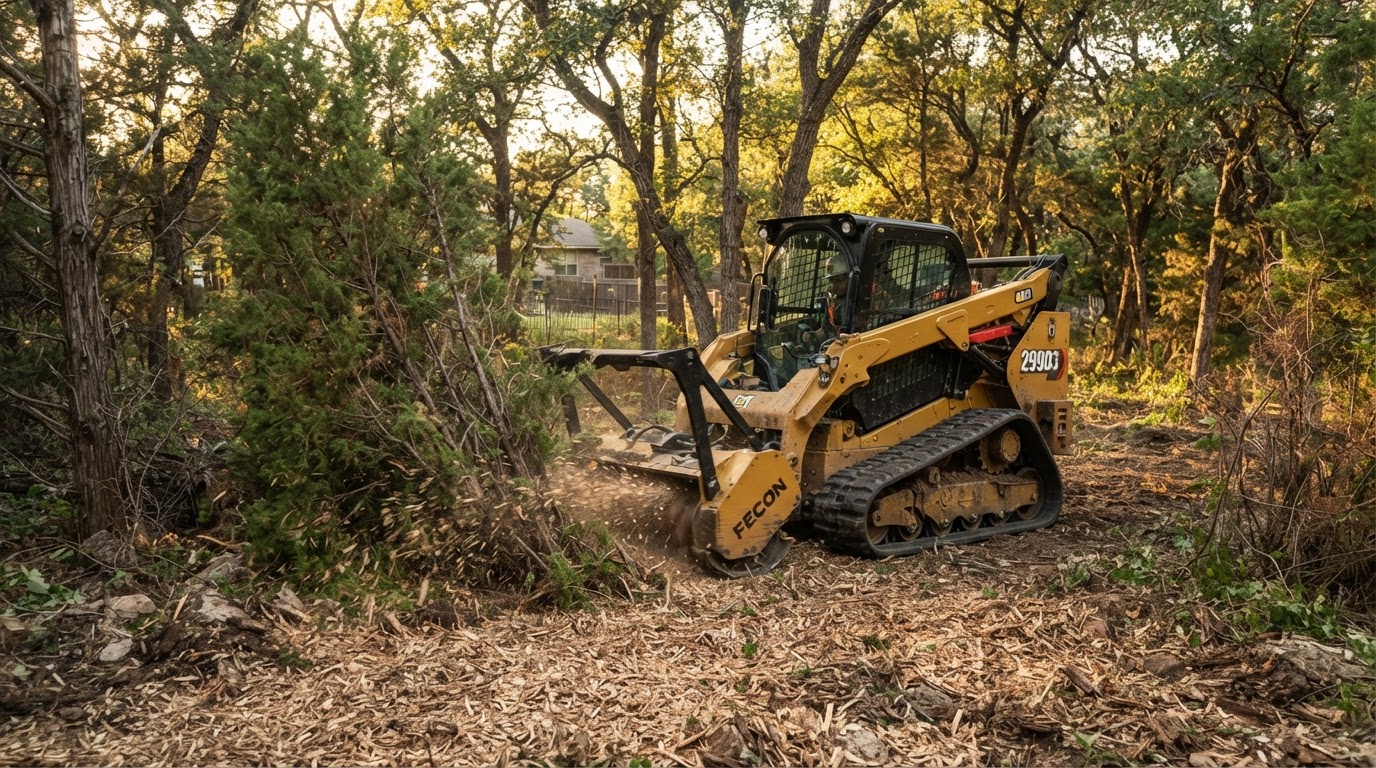
Compare the costs, soil impact, permit needs, and timelines of single-machine forestry mulching against heavy bulldozer lot clearing.
The traditional bulldozer approach: scrape, pile, and burn or haul
For decades, conventional residential lot clearing relied on heavy crawler bulldozers and tracked excavators. While effective at removing massive stumps and boulders, the traditional scrape-and-haul method removes essential topsoil, leaves massive burn scars or brush piles, and creates significant erosion risks.
Hauling away dozen-ton loads of vegetative debris to landfills adds thousands of dollars in commercial disposal and trucking fees, often turning a modest site prep project into an expensive endeavor.
How modern forestry mulching transforms the clearing process
Modern forestry mulching utilizes a high-torque rotary drum mounted to a compact track loader or dedicated tracked carrier. Carbide cutting teeth spin at 2,000+ RPM to shred standing timber, invasive briars, and cedar saplings directly where they stand.
The resulting shredded wood chips form an organic, erosion-resistant mulch blanket across the property. This blanket retains soil moisture, prevents sediment runoff, and enriches soil microbiology as it naturally decomposes over several seasons.
Selecting the right clearing method for your building envelope
When preparing a home's actual structural foundation, excavation and root grubbing are mandatory to ensure soil compaction beneath concrete footings. However, for surrounding yards, fire breaks, driveway approaches, and recreational acreage, forestry mulching provides a cleaner, faster, and far more cost-effective solution.
Featured directory
Find what you need through our directory for residential lot clearing and forestry mulching contractors (opens in a new tab). ResidentialLotClearing.com is part of the Directory Holdings portfolio.