
Home & Outdoor
Creating Wildfire-Defensible Space Through Selective Residential Lot Clearing
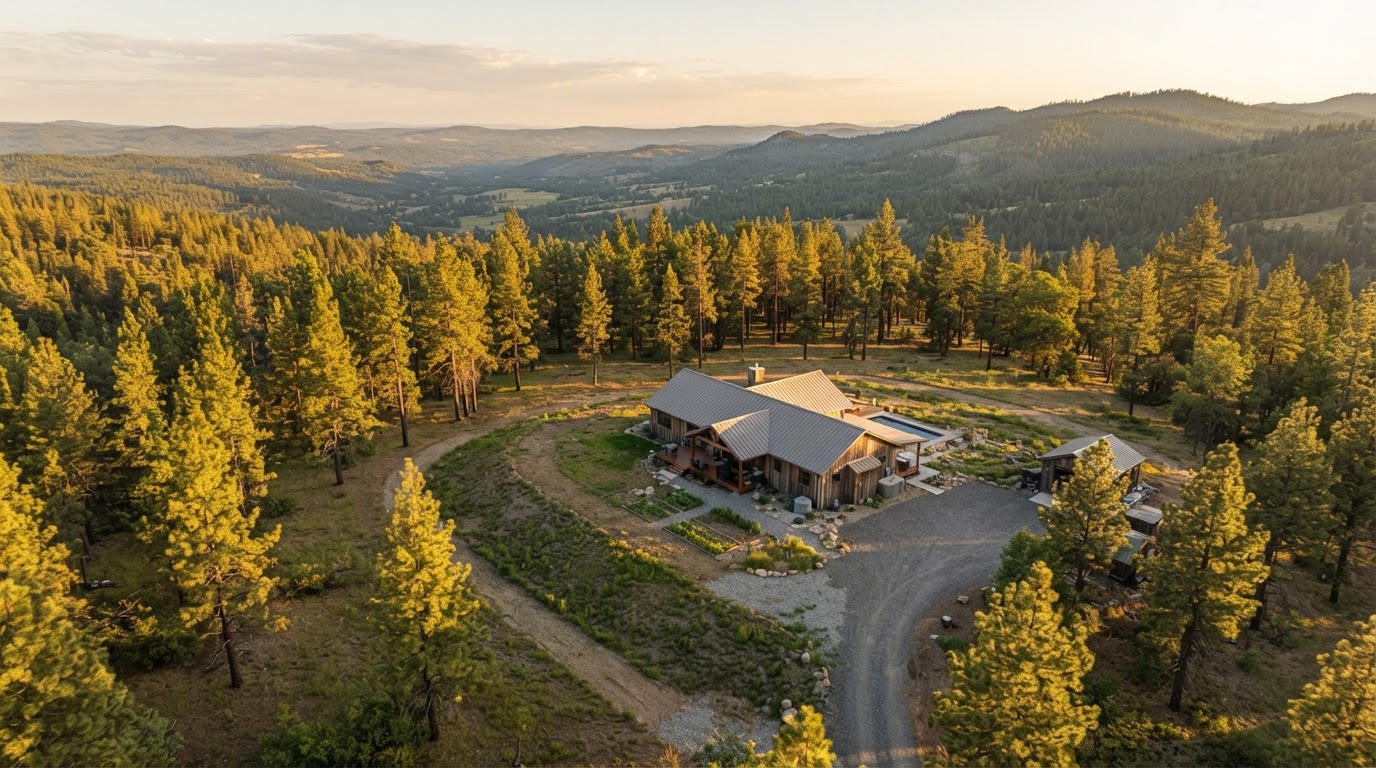
Learn the three defensible space zones, ladder fuel mitigation, and tree canopy spacing techniques that safeguard homes in fire-prone regions.
Understanding the three defensible space protection zones
Wildfire defense is structured in concentric zones radiating outward from your home's foundation. Zone 0 (0 to 5 feet) requires non-combustible materials such as river rock and zero organic mulch. Zone 1 (5 to 30 feet) focuses on clean lean landscaping with widely separated shrubs.
Zone 2 (30 to 100 feet or your property line) is where residential lot clearing equipment excels, thinning overcrowded tree canopies and eradicating ground-level brush.
Eliminating ladder fuels that carry ground fires into tree crowns
Ladder fuels are low-growing shrubs, fallen branches, and dense young saplings that allow a low-intensity surface grass fire to climb vertically into mature tree canopies. Crown fires burn exponentially hotter, move faster, and throw burning embers onto roofs miles downwind.
Using compact forestry mulchers, contractors can selectively masticate ladder fuels and limbed lower branches up to 10 to 12 feet off the ground, keeping fire dropped safely to the turf level where firefighters can manage it.
Canopy spacing guidelines for sloped rural properties
On flat ground, keeping at least 10 feet between adjacent tree crowns provides adequate fire break protection. On hillside terrain, flames lean uphill, necessitating 20 to 30 feet of canopy separation depending on the slope grade.
Professional lot clearing operators calculate slope angles and prevailing wind corridors, clearing strategic fuel-break buffers that dramatically increase your home's survivability during wildfire emergencies.
Featured directory
Find what you need through our directory for residential lot clearing and wildfire defensible space (opens in a new tab). ResidentialLotClearing.com is part of the Directory Holdings portfolio.