
Automotive & Transport
Essential Insurance and Permits to Verify Before Hiring an Event Valet Service
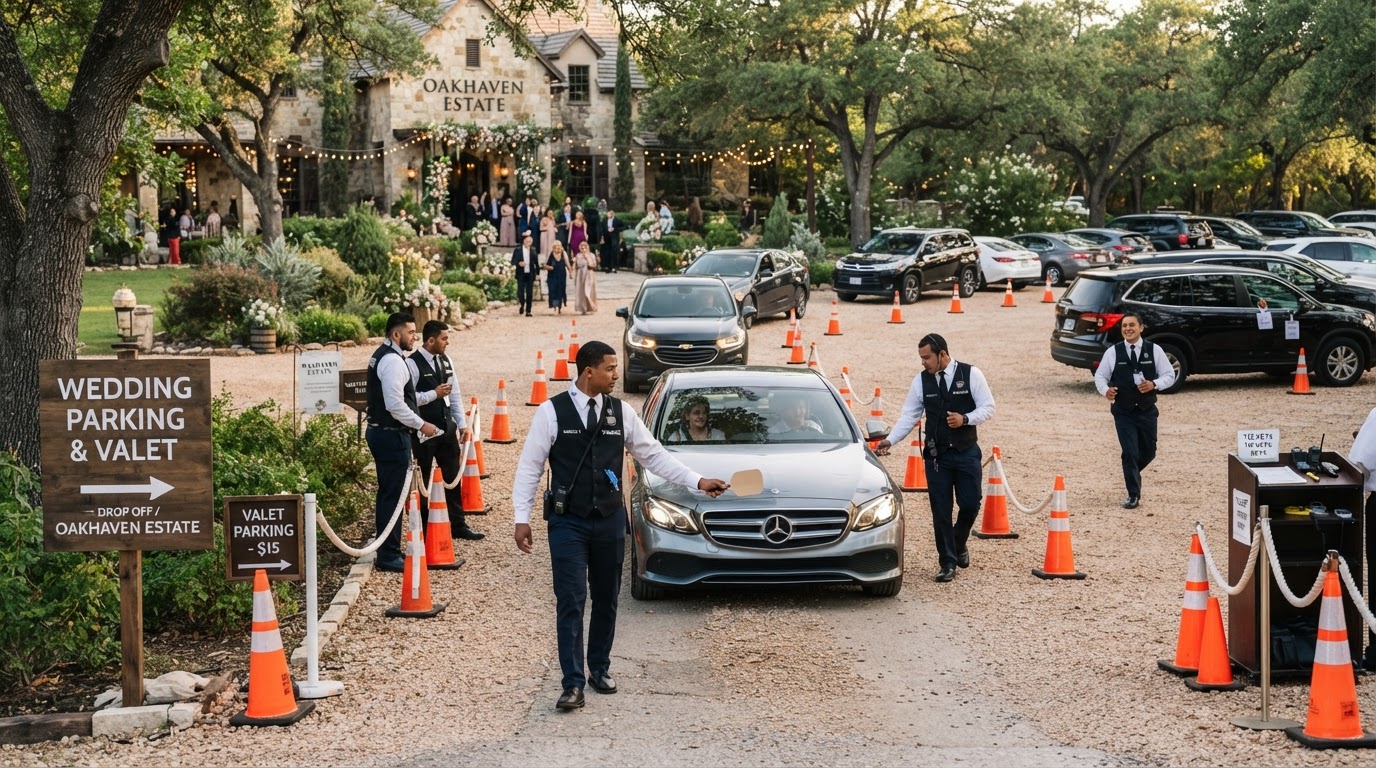
Protect your venue and guests against liability. Understand garagekeepers coverage, municipal permits, and indemnity requirements for valet operations.
Understanding garagekeepers legal liability vs. general liability
A common mistake event organizers make is accepting a basic commercial general liability certificate without checking for garagekeepers legal liability coverage.
General liability covers third-party bodily injury or venue property damage, but it explicitly excludes vehicles in the care, custody, and control of the valet attendant. Professional event valet services carry specialized garagekeepers coverage to cover collision, vandalism, and vehicle damage while in transit or parked.
Municipal street permits and police department notification
Operating a valet drop-off zone on a public road or sidewalk requires temporary curb-use permits, directional signage authorization, and sometimes local police coordination.
Your chosen valet contractor should handle all municipal permitting paperwork and traffic cone staging directly with the city traffic engineering department.
Driver background checks and clean motor vehicle records
Ask potential vendors about their driver vetting standards. Top-tier operators enforce strict Motor Vehicle Record (MVR) screening, require drivers to be at least 21 years old with clean driving histories, and train attendants on manual transmissions, luxury push-to-start ignitions, and electric vehicles.
Featured directory
Find what you need through our directory for event valet services and valet parking company (opens in a new tab). EventValetServices.com is part of the Directory Holdings portfolio.