
Home & Outdoor
Air-Source Heat Pumps vs. Traditional Furnaces: Efficiency, Cost, and Comfort
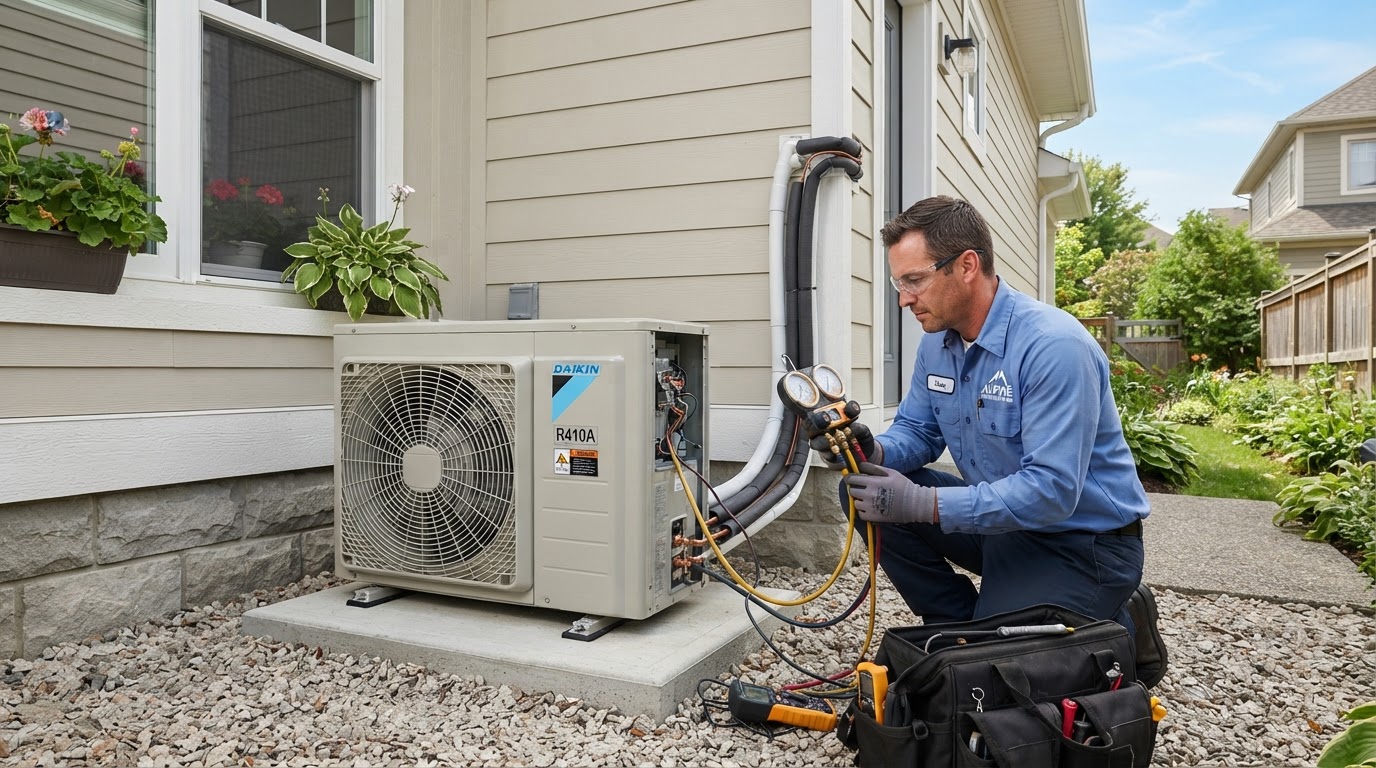
Compare heating efficiency, seasonal operational costs, and year-round climate control between modern heat pumps and conventional gas or oil furnaces.
How modern heat pumps deliver over 300% efficiency
Unlike fossil-fuel furnaces that generate heat by burning natural gas, fuel oil, or propane, heat pumps move existing heat from outdoor air into your living spaces. Because they transfer thermal energy rather than creating it through combustion, modern systems frequently achieve coefficients of performance (COP) exceeding 3.0 to 4.0—meaning they deliver 3 to 4 units of thermal energy for every unit of electricity consumed.
Scheduling certified heat pump installation services ensures your home receives a properly sized inverter system that maintains balanced indoor temperatures while trimming monthly energy consumption.
Dual heating and cooling in a single outdoor unit
One of the greatest operational advantages of an air-source heat pump is its reversible refrigeration cycle. In summer, the system acts as a high-efficiency central air conditioner by extracting indoor heat and expelling it outdoors.
Replacing both an aging furnace and an old air conditioner with one dual-purpose heat pump simplifies mechanical maintenance and eliminates duplicate seasonal equipment.
Long-term operating costs and carbon reduction
Homes switching from expensive heating fuels—such as delivered fuel oil, propane, or electric baseboard resistance—routinely save hundreds of dollars annually on winter utility bills while eliminating direct combustion emissions and indoor carbon monoxide risks.
Featured directory
Find what you need through our directory for heat pump installation services and heat pumps (opens in a new tab). HeatPumpInstallationServices.com is part of the Directory Holdings portfolio.