
Home & Outdoor
Air Duct Cleaning vs. Sanitizing: Understanding the Key Differences for Home Air Quality
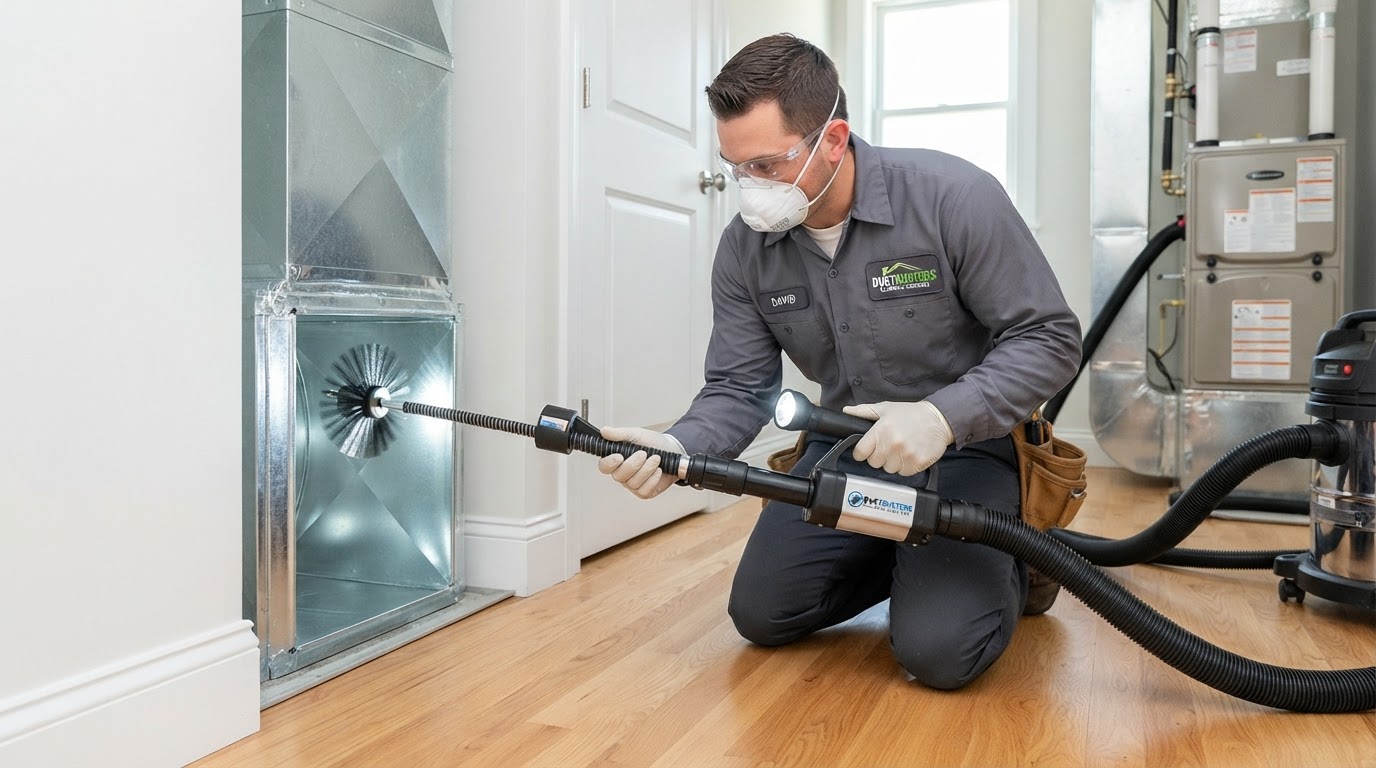
Learn the crucial distinctions between mechanical vacuum cleaning and antimicrobial chemical sanitizing to decide which HVAC treatment your home truly needs.
The mechanical foundation: how professional air duct cleaning works
When homeowners notice excess dust settling on furniture or registers blowing cloudy particulate, air duct cleaning is typically the first service considered.
Mechanical duct cleaning employs high-power negative air vacuum machines—often drawing over 4,000 to 5,000 CFM—paired with spinning rotary nylon brushes or pneumatic air whips. This dislodges compacted carpet fibers, construction dust, pet hair, and particulate buildup from the interior walls of your supply and return plenums, pulling debris directly into sealed HEPA containment units without discharging dust into your living spaces.
The biological defense: when chemical duct sanitizing becomes essential
While mechanical brushing removes bulk physical debris, it does not eradicate microscopic biological pathogens, fungal spores, or bacterial colonies flourishing on duct insulation liners.
Air duct sanitizing introduces an EPA-registered disinfectant mist or fog throughout the closed ventilation circuit. This treatment coats duct interiors, neutralizing odor-causing microbes, mold spores, and viral contaminants on contact. Visiting AirDuctSanitizingServices.com allows homeowners to connect with vetted contractors who combine mechanical agitation with certified chemical sanitization protocols.
Comparing EPA-registered sanitizing agents: botanical vs. synthetic
Not all duct sanitizers are created equal. Professional technicians generally select between botanical thyme-based solutions and synthetic hospital-grade biocides.
Plant-derived botanical formulations featuring thymol are non-toxic, leave behind a light herbal aroma, and allow residents and pets to remain safely in the home during application. Synthetic quaternary ammonium compounds offer potent residual protection against aggressive mold regrowth in humid crawlspaces and basements.
Decision criteria: choosing the right treatment protocol for your home
For routine maintenance in a dry climate with no moisture issues, a standard mechanical clean every four to five years may suffice.
However, if your household has experienced roof leaks, AC condensate pan overflows, persistent musty smells, pet dander infestation, or moving into a previously owned home, combining mechanical cleaning with thorough antimicrobial sanitization ensures clean airflow and peace of mind.
Featured directory
Find what you need through our directory for air duct sanitizing services, air duct cleaning and HVAC sanitizing contractors (opens in a new tab). AirDuctSanitizingServices.com is part of the Directory Holdings portfolio.